Click here or the image above to be redirected to the lesson.
How many adults do you know who do not understand their country’s law-making process? It’s not all that surprising. It can be overwhelming for anyone who isn’t directly involved in the world of politics or law. Many people simply go with the flow. They trust that everything is being taken care of by those in power. But it’s essential to at least understand the basics of how laws are made. This knowledge helps us see how they impact our lives. There are many layers to the law-making process. These range from passing bills into law to creating regulations. Many of these layers often go unnoticed by the average person. And honestly, they probably didn’t study it in school! Let’s educate this generation to understand how bills are passed into laws, so they can be informed citizens. Let’s start by understanding bicameral versus unicameral legislation.
📚 Why Our Students Need to Understand Bicameral and Unicameral:
- 🏛️ Understanding Government Structure
- These systems explain how laws are made and how power is shared in a country.
- Knowing the difference helps students understand why some governments are slower or more deliberate. Other governments are faster and more efficient.
- 🌍 Global Awareness
- Different countries use different systems. Learning about them builds geopolitical awareness and helps students compare and contrast governments around the world.
- 🧠 Critical Thinking & Debate
- Students can think critically about representation, fairness, and efficiency.
- For example, should small regions have equal say as big cities? Should laws be easy or hard to pass?
- ⚖️ Civic Literacy
- In democratic societies, citizens vote and participate in government.
- Understanding how unicameral or bicameral legislatures function prepares students to be informed voters and future leaders.
- 🏫 Cross-Curricular Connections
- It relates to history. This shows how systems evolved. It connects with geography, illustrating which countries use what. It also involves math, demonstrating how votes and representation are counted.
✅ Bottom Line:
When students understand how legislative systems work, they gain a better understanding of their own government. They also gain a better understanding of the world around them. This knowledge helps prepare them to be thoughtful and active citizens.

👉 Use these interactive videos & images as you talk about the differences of unicameral and bicameral. What is the difference between bicameral legislation and unicameral legislation?
BICAMERAL VS UNICAMERAL LEGISLATION

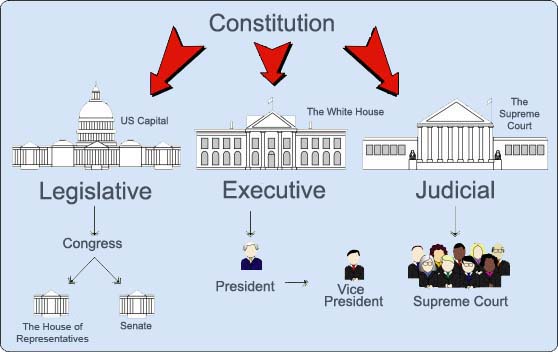

BICAMERAL
BICAMERAL: TWO LAW-MAKING BODIES UNDER THE LEGISLATIVE BRANCH
UNICAMERAL:
ONE LAW: MAKING BODY UNDER THE LEGISLATIVE BRANCH
CHINA’S UNICAMERAL LEGISLATIVE BRANCH

What are some ways you teach this topic to your students?



Sign Up for our Newsletter Here:
FOLLOW US
Follow us on our social media accounts and various teacher resource platforms. Simply click the icons below and follow or like us.


Social Media


 Geography & Math Made Easy