
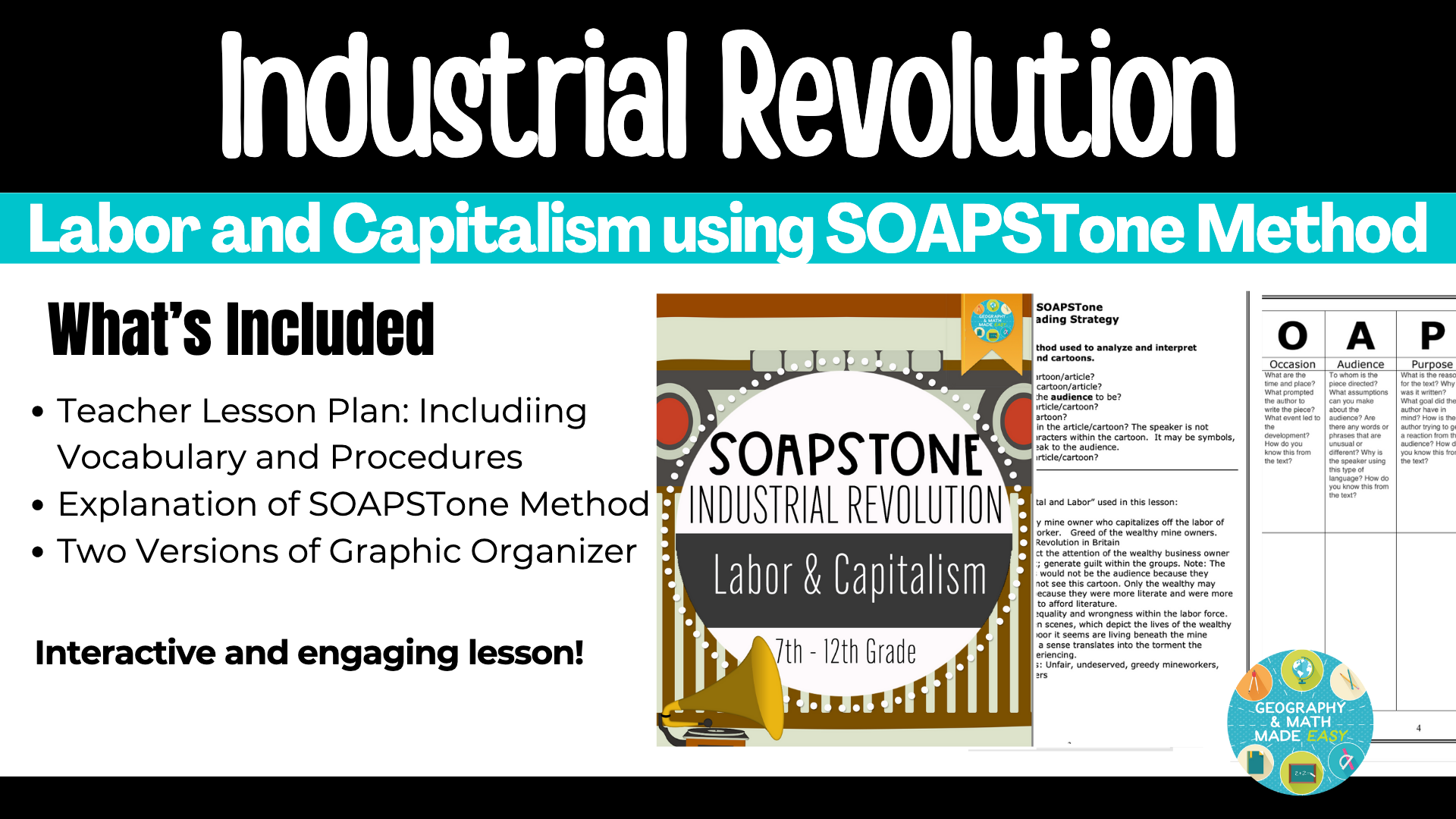
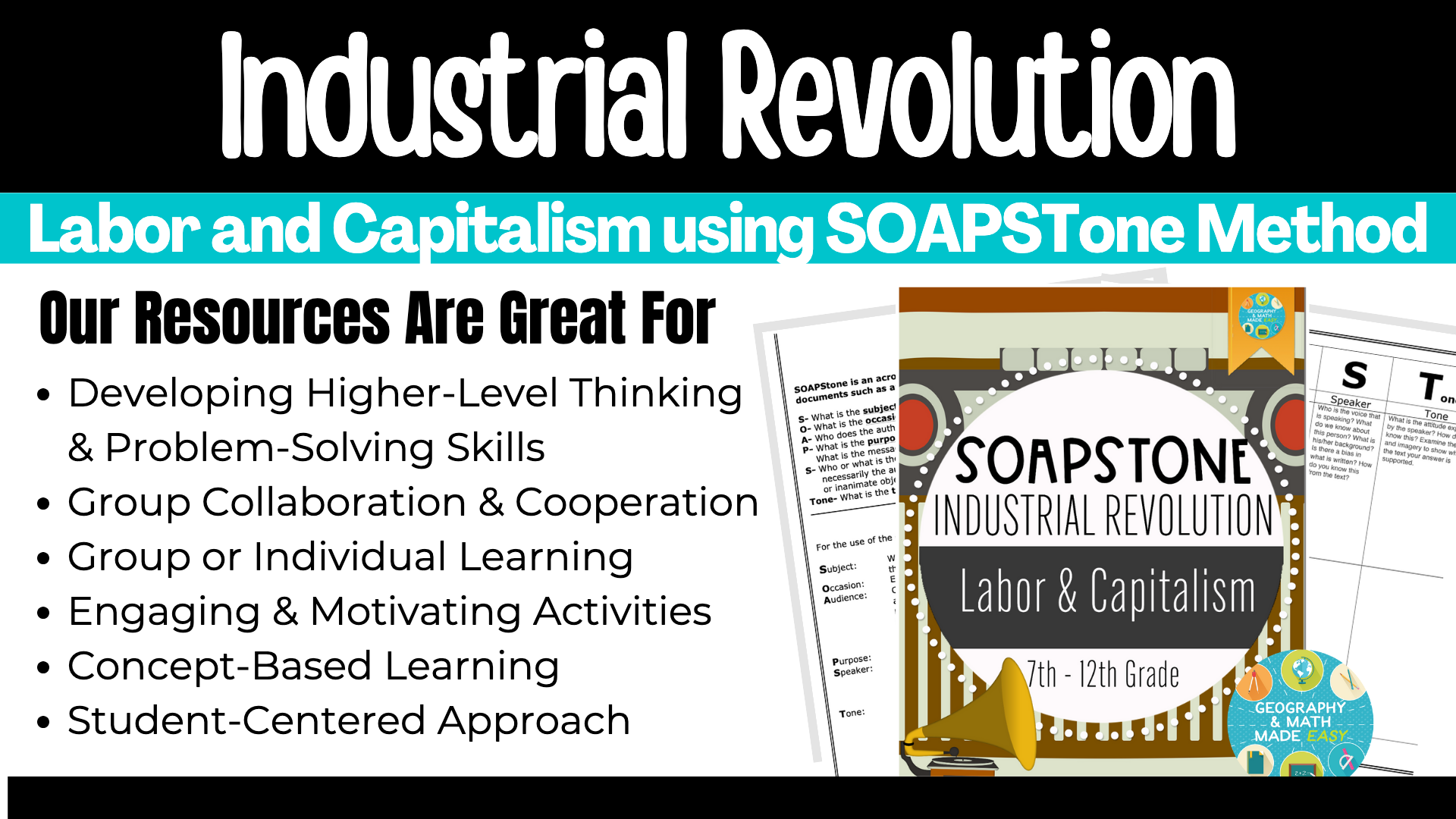
So, let’s talk about the SOAPStone strategy in teaching history, geography, and other social studies genres. The SOAPStone strategy is a widely used tool in the social studies classroom. I first learned this strategy in the late 1990s during a training program through Facing History and Ourselves. I was working for Memphis City Schools in Tennessee at that time. This method provides a systematic student approach for evaluating written texts. It breaks written texts down into key six components: Speaker, Occasion, Audience, Purpose, Subject, and Tone.
First, Identify the Speaker (S)
The speaker is who is telling us the information — they’re like our storyteller, our voice in the wilderness. We need to consider who this person (or group) is. This can change how we interpret what they’re saying. Are they reliable? Biased? Informed? We need to pay attention to their background, experiences, and motives to really understand where they’re coming from. Also, thinking about the speaker helps us understand their reasons for sharing this information
Next, analyze the Occasion (O)
Occasion is basically the where and when of a text. It explains what prompted someone to write it. It also tells us when it was written and under what circumstances. Understanding the occasion can really help us get into the mindset of the author. It helps us piece together why they felt compelled to write on a particular topic at that particular time. The occasion could be something big like a historical event. It could also be something personal like a specific conversation or experience that inspired the writing. It gives us insight into the context surrounding the text and helps us understand the motivations behind it.
Then, Determine the Audience (A)
This stands for Audience, which basically means who the piece of writing is intended for. Are you trying to reach a specific group of people, like teenagers or professionals? Or maybe you want to captivate a more general audience? Understanding your audience can help tailor your message to resonate with them and make your writing more effective. Think about what they already know, their interests, values, and beliefs. This can help you decide on the tone, language, and examples to use in your writing. It’s like knowing who you’re talking to at a party – different approaches work better with different crowds.
Moving on to Purpose (P)
P in SOAPstone stands for “Purpose.” It focuses on understanding why the author wrote the text. Like, what were they trying to achieve with their writing? Were they trying to inform, persuade, entertain, or maybe provoke a reaction? It’s figuring out their end goal and how they used different techniques to achieve it.
Finally, examine the Subject & Tone (S-tone)
This is where students identify the subject matter itself. They also identify Tone—the attitude or emotional response evoked by the author’s words.
The “subject” refers to the main topic or theme being discussed. It’s what the author is trying to convey to the reader. Understanding the subject is crucial because it helps you make sense of the rest of the elements in SOAPstone (like speaker, audience, purpose, etc.). When analyzing the subject, consider what message the author wants to convey. Examine how they communicate this message through their writing. This can provide insights into the reasons behind certain choices in the text. It also reveals how these choices contribute to the overall meaning.
When considering the “tone” in SOAPstone, think about how the speaker or writer comes across to their audience. In a casual setting, like chatting with friends, the tone is usually relaxed. It is informal and friendly when posting on social media. The language used is often conversational and easy-going, with slang or humor sprinkled throughout. This helps create a more personal connection with the audience and makes the message feel more relatable.
Students engage critically with each aspect of the SOAPStone. This strategy enables one to gain deeper insights into a text’s meaning. It also assesses its effectiveness in communicating ideas. By examining these elements, you can gain a deeper insight into the message being communicated in any piece of writing. So, the next time you have your student read an article or other text, try SOAPStone. It’s a game-changer for many classrooms.
Want to try using SOAPStone in your classroom? Click here to grab this lesson.
Need to purchase from somewhere other than TPT? This lesson can also be found on Classful, Amped Learning, and TeachShare? Click the links at the bottom of this page.


With which topics have you used SOAPS or SOAPStone?



Sign Up for our Newsletter Here:
FOLLOW US
Follow us on our social media accounts and various teacher resource platforms. Simply click the icons below and follow or like us.


Social Media


 Geography & Math Made Easy